Digital Marketing in Pokhara for Hotels, Trekking and Local Businesses
Pokhara is not one market. It is at least three.
A hotel in Lakeside might host an Indian family who drove up from Gorakhpur, a group of Kathmandu friends on a Dashain break, and a German couple starting the Annapurna Circuit. All in the same week. They found the hotel in different ways. They care about different things. And they booked at completely different times.
Most digital marketing in Pokhara ignores this. It runs the same Facebook boost to everyone and hopes. That is the gap I work in.
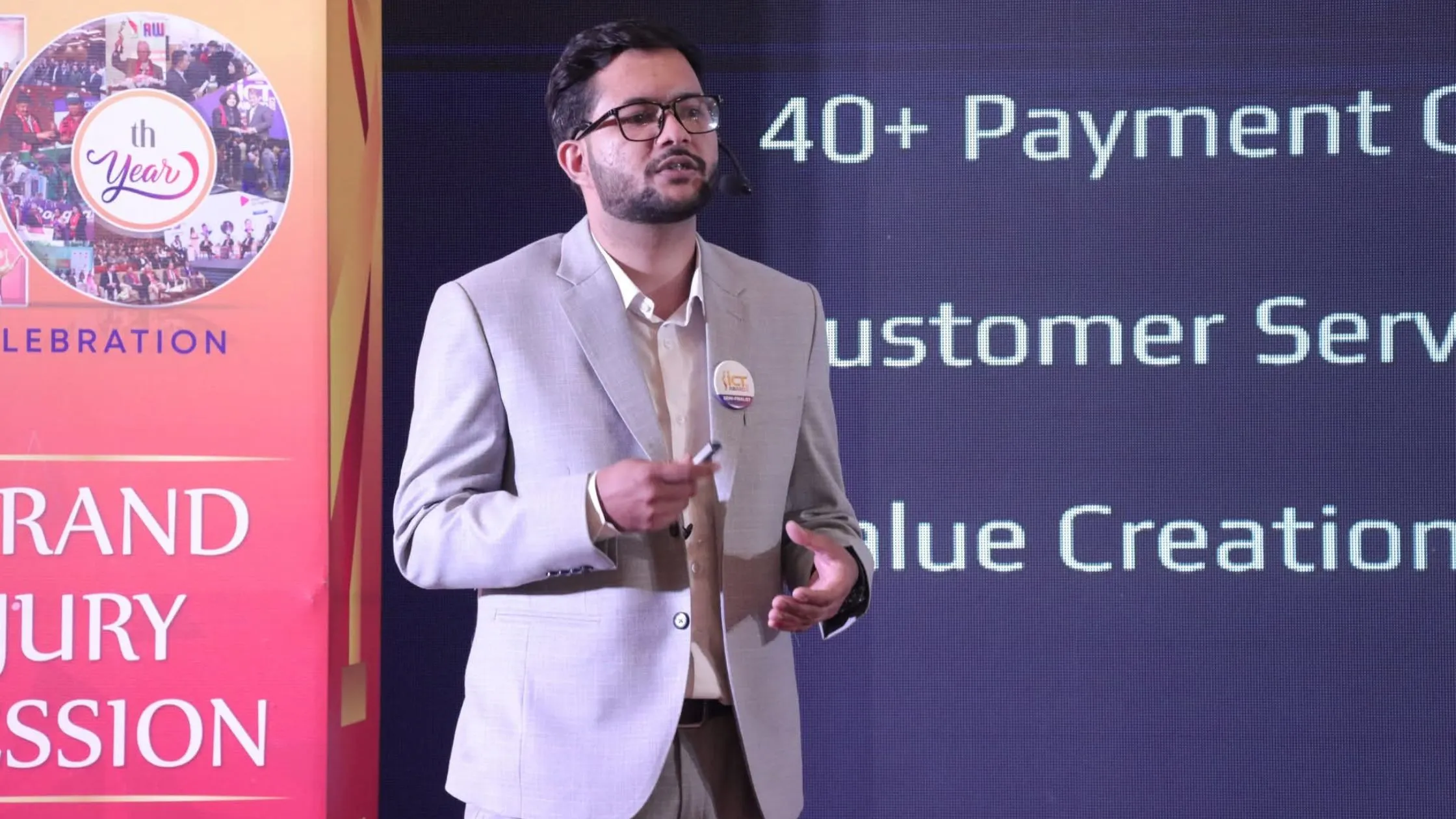
I’m Bimal Raj Paudel. I’m a growth and digital marketing strategist based in Kathmandu, with over ten years of experience. I lead growth and marketing at Trip Turbo, Nepal’s #1 travel app. So I spend a lot of my working life thinking about how people book travel in Nepal.
I’ve also worked directly with a Pokhara-based ecommerce and delivery business. I can’t name them, but it taught me how different selling to Pokhara locals is from selling to Pokhara’s visitors.
Talk to Me About Your Pokhara Business
Pokhara Has Three Tourist Markets, Not One
Here is the simplest way to think about who comes to Pokhara.
Domestic tourists. A Gandaki Province tourism official has estimated they make up around half of the market. They come in big waves around Dashain, Tihar and long weekends. Many of them turn up without booking. They search “hotel near Lakeside” on their phone once they arrive.
Indian tourists. The same estimate puts them at 35% or more, and they are growing. Many drive in. In June 2026, hotels reported occupancy of around 90%, with an estimated 1,500 to 2,000 Indian vehicles arriving a day. About half of those visitors continued on to Muktinath. That used to be the off-season. It isn’t anymore.
Foreign trekkers and adventure travellers. They come mainly from September to November and March to May. They research weeks or months ahead. They read reviews carefully and compare prices across several sites.
Each group needs a different plan. Here is what that looks like in practice.
| Domestic | Indian | Foreign | |
|---|---|---|---|
| When they come | Festivals, long weekends | Summer and monsoon | Spring and autumn |
| How they find you | Google Maps, Facebook, friends | Google, booking apps, travel agents | Google, TripAdvisor, booking sites |
| When they decide | Same day or a few days ahead | A few weeks ahead | Weeks to months ahead |
| What matters most | Price, location, photos | Parking, family rooms, food | Reviews, trust, trek logistics |
The Dubai Flight Is Worth Watching
Pokhara International Airport opened on 1 January 2023. For more than three years it had almost no regular international flights.
That changed in September 2026, when flydubai started daily flights between Pokhara and Dubai. Through its partner airlines, that connects Pokhara to a large part of the world without going through Kathmandu.
I don’t think anyone knows yet what this will mean. It might bring Gulf-based tourists. It might bring more returning Nepali workers and their families. It might mean foreign trekkers skip Kathmandu entirely.
My advice is simple. Make sure your Google Business Profile and website are ready for people who have never heard of Lakeside. Then watch your own data before you change anything big.
Digital Marketing for Hotels and Homestays in Pokhara
By one count, Pokhara has around 1,200 hotels. That’s a lot of competition for the same Lakeside search.
A common pattern among Pokhara hotels is heavy reliance on booking sites for foreign guests and on walk-ins for domestic guests. That leaves money on the table in both directions.
What I would usually work on first:
- Your Google Business Profile. For domestic walk-ins, this is your front door. Real photos, correct hours, a working phone number, and replies to reviews. It costs nothing and it’s where most festival bookings actually start. I’ve written a guide to getting more Google reviews in Nepal.
- A direct booking path. Booking sites are useful for reach. But every direct booking you win saves you their commission. A simple website that shows prices and takes bookings is worth building.
- Different ads for different guests. A monsoon campaign for Indian families should look nothing like an autumn campaign for trekkers. Different photos, different offers, different timing. Facebook and Meta ads can target these groups separately.
- Indian-market listings. If Indian guests matter to you, make sure you show up where they search and book, not only where foreign travellers look.
Trekking, Paragliding and Adventure Businesses
Adventure businesses in Pokhara sell something people are nervous about. A foreign trekker is trusting you with their safety in the mountains. Someone booking paragliding from Sarangkot is trusting you with their life.
That changes how marketing works. Nobody picks a trekking company because of a clever ad. They pick the one that looks the most trustworthy.
So for trekking and adventure businesses, I focus on:
- Search visibility months before the season. Foreign trekkers plan early. If you only advertise in September, you’re too late for October trekkers.
- Proof of safety and experience. Guide qualifications, real trip photos, detailed itineraries, clear cancellation policies. These do more than any discount.
- Reviews everywhere people check. One bad unanswered review can cost you a group booking.
- Video. A short clip of a real trek or a real flight says more than a paragraph of text. Video marketing matters more for adventure than almost any other business.
Pokhara Businesses Beyond Tourism
Tourism gets all the attention, but around 5 lakh people live in Pokhara. They need schools, clinics, shops, restaurants and delivery.
This is the side of Pokhara I’ve worked in directly. The ecommerce and delivery business I worked with sold mostly to locals, not tourists. The lessons were different. Trust mattered more than reach. Delivery reliability mattered more than ad creative. And word of mouth on Facebook moved faster than any campaign.
If you’re a local-facing business in Pokhara, you are not competing with Lakeside hotels. You’re competing with other local businesses for the same few searches. That’s often easier to win.
Restaurants and cafés. Google Maps and Instagram do most of the work. Good photos of real dishes, updated menus and quick replies to reviews. For restaurants that serve tourists and locals, it’s worth running separate content for each.
Clinics and dentists. Doctors in Nepal follow strict advertising rules from the Nepal Medical Council, and dental clinics are wise to follow the same approach. You can’t market a clinic the way you’d market a café. I explain the rules on my Chitwan page, where healthcare is the biggest industry.
Schools. Admission season is short and parents compare schools carefully. A clear website and a strong Google profile matter more than flashy ads.
Online stores. If you sell online in Pokhara, the hard part is usually delivery and trust, not traffic. I’ve written about running an ecommerce business in Nepal.
What I Would Do First for a Pokhara Business
If you asked me to help your Pokhara business next week, I’d start with four questions.
- Who is your best customer? Not everyone who walks in. The ones who spend the most and come back.
- When do they come? Your marketing calendar should follow your real busy season, not a generic one.
- How do they find you today? Most owners guess wrong. The answer is usually in your Google Business Profile data.
- What happens when they find you? A great ad that leads to a slow Facebook inbox wastes money.
Then I’d build a plan around the answers. Usually that means fixing the free things first, like your Google profile, reviews and website. Paid ads come after.
How Working Together Works
I work with Pokhara businesses remotely. Most of it happens over calls, shared documents and messaging. It works well, and it keeps costs down.
When a project really needs it, I travel to Pokhara. That usually means a kickoff session, a photo or video shoot, or a planning workshop with your team. I won’t pretend to have a Pokhara office I don’t have.
What stays the same wherever you are: you work with me directly, not a junior. You get honest advice, including when I think you shouldn’t spend money on something.
Related: Digital marketing in Chitwan · Local SEO in Nepal · Digital Marketing Expert in Nepal
Frequently Asked Questions
Are you based in Pokhara?
No. I'm based in Kathmandu and most of my Pokhara work is done remotely. I travel to Pokhara when a project really needs it, like a kickoff workshop or a photo and video shoot. I have worked with a Pokhara-based ecommerce and delivery business, so this is not a city I only know from a map.
What is the best way to market a hotel in Pokhara?
Start by knowing which guest you want. Indian visitors, domestic holidaymakers and foreign trekkers search differently, book differently and arrive at different times of year. A hotel that treats them as one audience usually wastes money. After that, a strong Google Business Profile, good reviews and a website that can take direct bookings come before any paid ads.
When should Pokhara businesses spend the most on ads?
It depends on who you serve. For foreign trekkers, the peak seasons are roughly September to November and March to May, and people plan weeks ahead, so ads should run before the season. For Indian visitors, the monsoon months have become strong. For domestic tourists, Dashain and Tihar matter most, and many of them arrive without booking.
Do you only work with tourism businesses in Pokhara?
No. Tourism is the biggest part of Pokhara's economy, but I've also worked with a local ecommerce and delivery business there. Schools, clinics, restaurants, shops and service businesses in Pokhara all need the same basics: showing up on Google Maps, having a clear website, and using social media that brings in customers rather than just likes.
Will the new Pokhara to Dubai flight matter for my business?
Possibly, but it is too early to know. Daily flights between Pokhara and Dubai began in September 2026. It may bring more Gulf-based travellers and returning Nepali workers straight into Pokhara. I would watch your own booking data for a few months before changing your whole strategy around it.